






How to Understand Knitted Fabrics: Stretch, Recovery & Choosing the Right Fabric
When sewing with knit fabrics, understanding their stretch and recovery is essential—especially for fitted garments like bodysuits or catsuits. In this quick guide, you’ll learn how to identify stretch fabrics, how to test elasticity and recovery, and how to choose the right knit for your project.
What Are Knit Fabrics?
What Makes a Fabric a “Stretch Fabric”?
Not all knits stretch equally. A fabric is considered a stretch fabric when it can extend beyond its original width—usually due to:
- Fiber content (spandex/elastane improves stretch)
- Knit construction (rib knits stretch more than jersey, etc.)

How to Test Stretch Percentage
This is the easiest way to understand if your fabric has enough elasticity:
- Cut a 10 cm (4 in) wide swatch along the width.
- Hold the fabric firmly at both ends.
- Stretch it until it resists.
- Measure how far it stretches.
Example:
10 cm → stretches to 17.5 cm = 75% stretch.
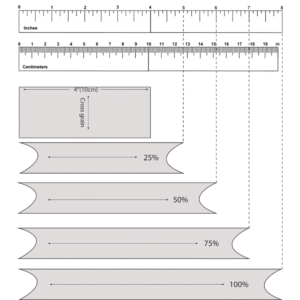
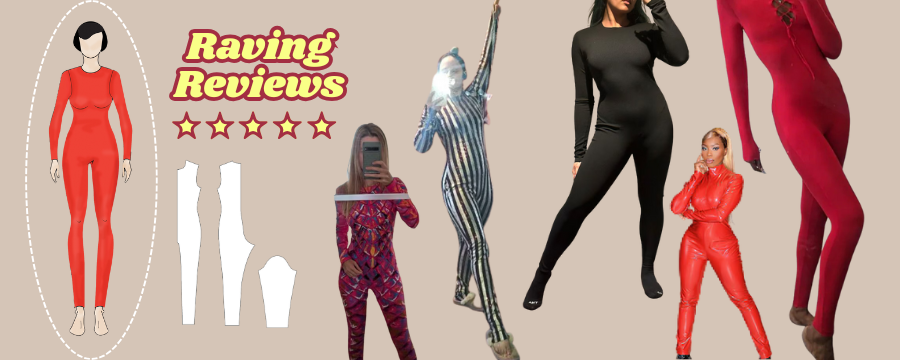
This catsuit pattern requires 75% stretch in width and 4-way stretch (both horizontally and vertically).
What Is 2-Way vs 4-Way Stretch?
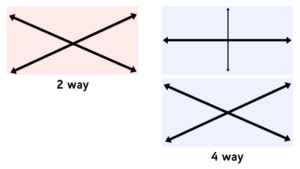
- 2-way stretch: fabric only stretches diagonally (bias)
- 4-way stretch: fabric stretches both diagonally (bias) and horizontally / vertically —ideal for body-hugging designs like catsuits, swimwear, & activewear.
How to Test Recovery
Recovery tells you if the fabric returns to its original shape after being stretched.
To test:
- Stretch the fabric as you did before.
- Release it.
- See if it returns to the original length without waves, rippling, or distortion.
Good recovery = garment keeps its shape and doesn’t become loose or saggy.
Fabric Types Commonly Used for Stretch Projects
- Cotton jersey + elastane (light to medium stretch)
- Rib knit (high stretch, excellent recovery)
- Athletic knit / Lycra (high 4-way stretch, great for catsuits)
- Swimwear knits (very high stretch, good recovery)
- Ponte (low stretch, not suitable for this project)
Conclusion: How to Choose the Right Fabric
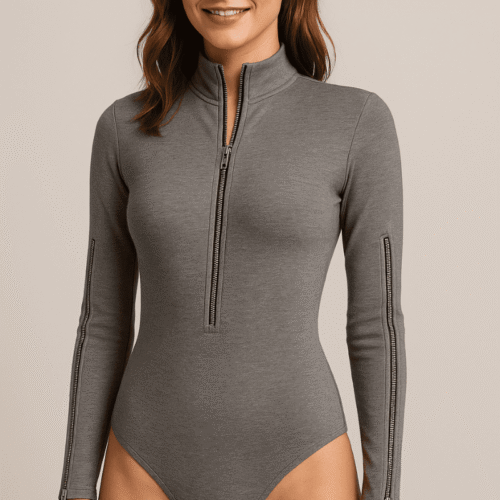
For Catsuit (High Stretch Knit – 75% / 4-Way Stretch)
To choose the right fabric for this catsuit, select a knit that offers:
- At least 75% horizontal stretch
- 4-way stretch (both width and length)
- Strong recovery
- Includes elastane/spandex (5–10% or more)
This ensures your catsuit fits close to the body, moves comfortably, and keeps its shape without sagging.
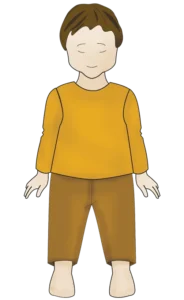
for Jogger Pants (Medium Stretch Knit – Comfortable Fit)
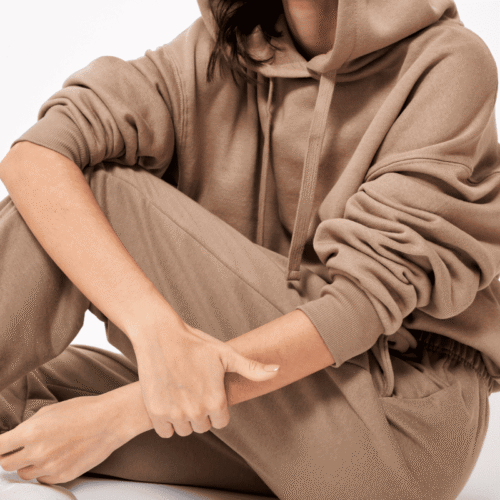
To choose the right fabric for jogger pants, look for a knit that offers:
- Medium stretch (around 20–40%)
- Soft, stable structure (not too drapey, not too stiff)
- Good recovery, so knees don’t bag out
- Suitable options: French terry, sweatshirt fleece, ponte, or medium-weight jersey
These fabrics provide enough stretch for comfort while maintaining the relaxed shape of joggers.
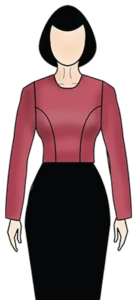
for Blouse (Light–Medium Stretch or Light Woven With Drape)
To choose the right fabric for a knit blouse, look for:
- Lightweight knit with 20–50% stretch A soft drape for elegant fall
- Smooth recovery so the neckline and hem don’t stretch out
- Suitable options: viscose jersey, bamboo jersey, modal knit, lightweight rib knit
If the pattern allows woven fabrics, choose something with:
- A fluid drape
- Soft hand
- Options like viscose challis, Tencel, crepe, or light cotton voile
These choices make the blouse comfortable, polished, and beautifully draped.
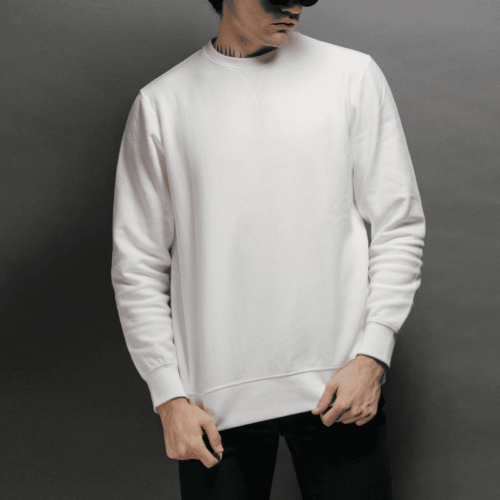
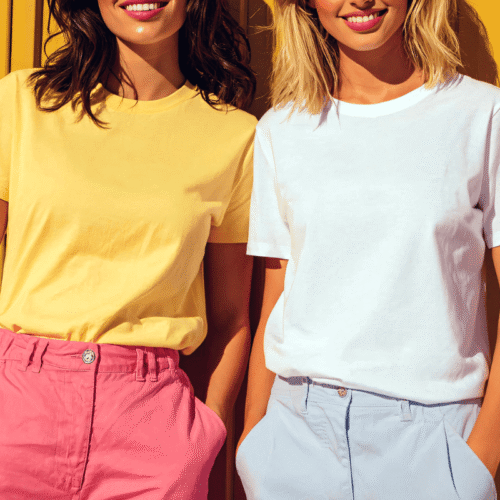
for T-Shirt (Light–Medium Stretch Jersey)
To choose the right fabric for a T-shirt, look for:
- Lightweight to medium-weight jersey
- 20–50% stretch, depending on fit
- Soft recovery, especially around the neckline
- Best options: cotton jersey, cotton-elastane jersey, bamboo jersey, or modal jersey
These fabrics keep your T-shirt breathable, comfortable, and durable through repeated wear and washing.
How to Measure Fabric Elasticity, Stretch & Recovery
This video is an excellent visual guide if you want to see the stretch-testing process in action. It walks you through how to measure fabric elasticity step-by-step, how to check recovery, and how to understand the difference between 2-way and 4-way stretch. Use it alongside the methods described in this article to confirm that your fabric has the right amount of stretch and bounce-back for your project.
Final Thoughts
Choosing the right knit fabric doesn’t just improve comfort, it transforms how your finished garment looks, fits, and performs. If you’re exploring more sewing projects, check out our full collection of Sewing Patterns or browse our Pattern Blocks for precise foundations that help you draft and customize your own designs. For more tips, tricks and guidance, don’t forget to visit our tutorials at our blog. Happy sewing!